
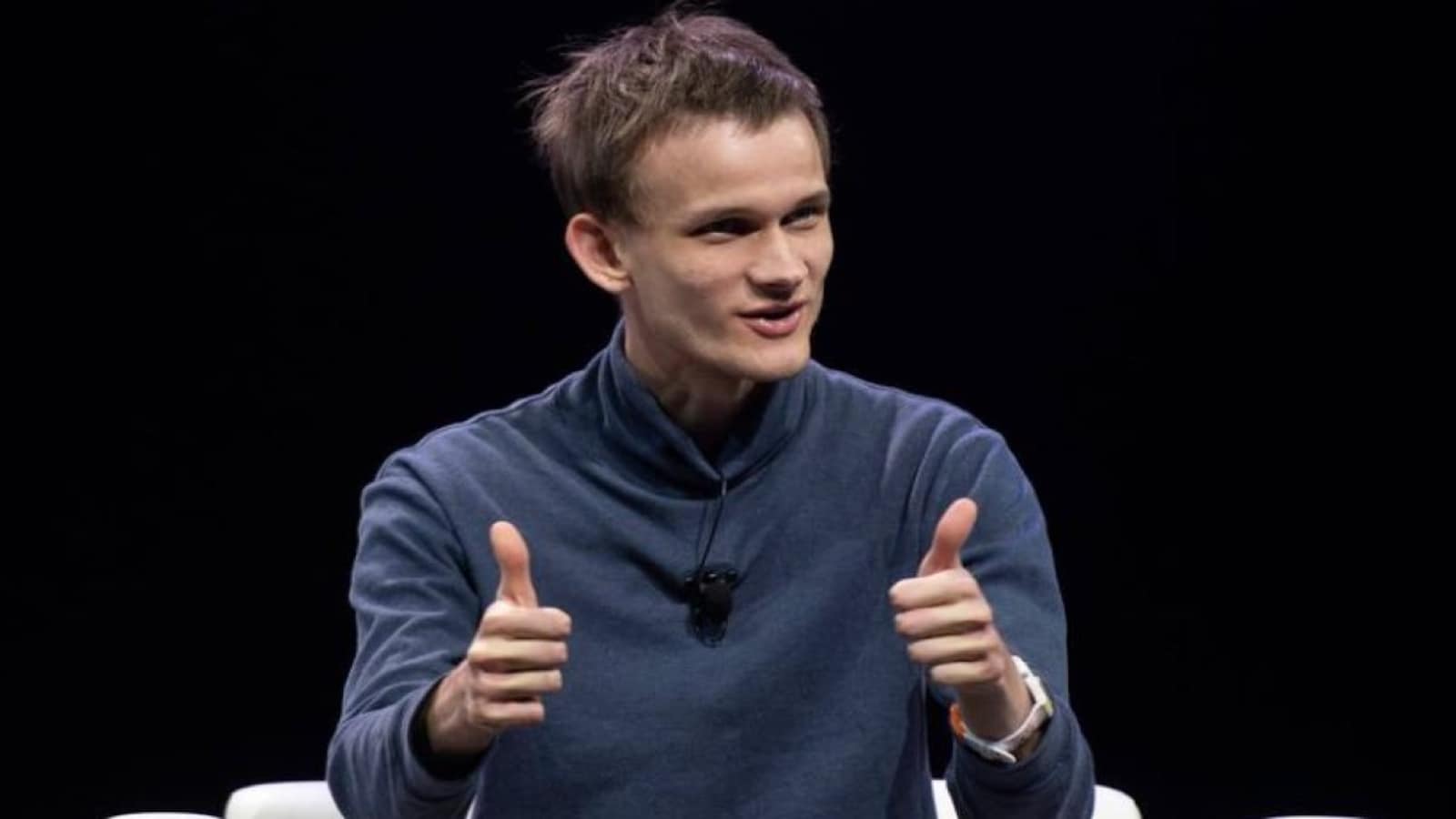

In the quiet corners of the digital revolution, a transformation is taking place that rivals the advent of the printing press. It is not driven by governments or monolithic corporations, but by an open-source, programmable infrastructure that has quietly become the bedrock of the modern web. At the center of this movement stands a figure who defies the traditional Silicon Valley archetype: Vitalik Buterin. To understand why his name is whispered with reverence in coding circles and why his influence shapes the future of everything from finance to governance, we must look beyond the crypto-hype and into the mind of a polymath who believes that code can be a tool for human dignity.
Whereas most technologies tend to automate workers on the periphery doing menial tasks, blockchains automate away the center. Instead of putting the taxi driver out of a job, blockchain puts Uber out of a job and lets the taxi drivers work with the customer directly.
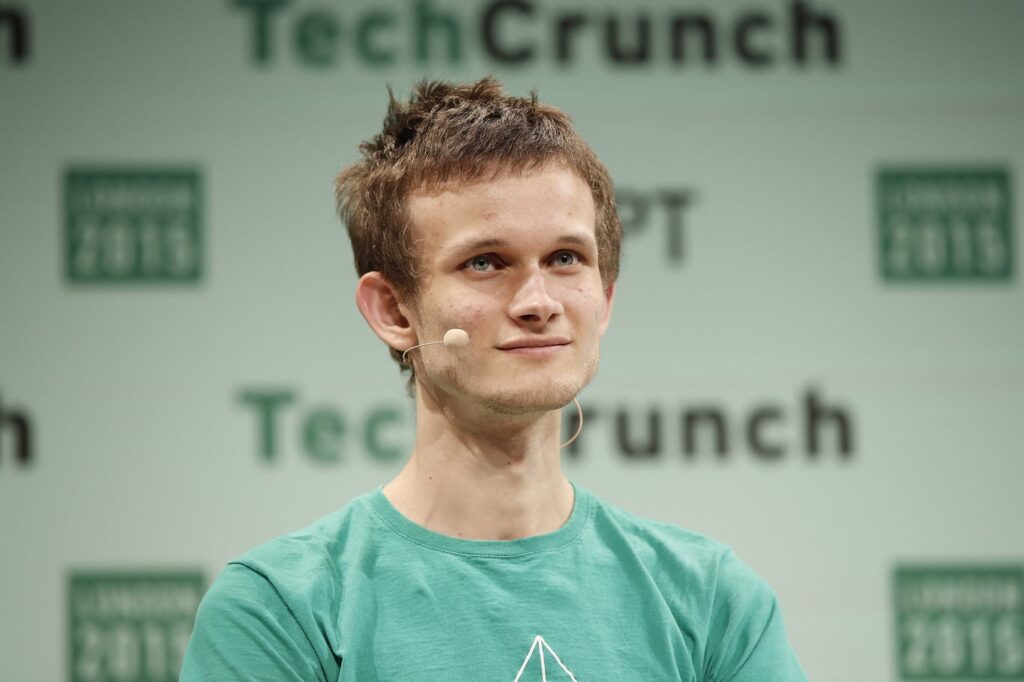
Vitalik Buterin
The Teenager Who Saw Beyond the Coin
Long before he became a household name, Vitalik Buterin was a prodigy of mathematics and economics, a “gifted” student who found the traditional academic path too narrow for his sprawling curiosity. At seventeen, when he first encountered Bitcoin, most saw it as a curiosity—digital gold for the tech-savvy. Buterin saw something else entirely: a primitive language for a future that hadn’t been written yet.
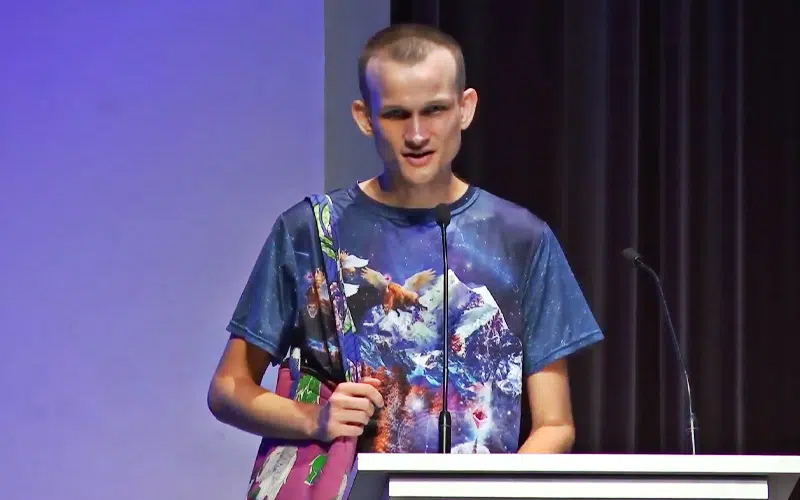
While most of his peers were looking for ways to get rich, Buterin was looking for ways to build. He understood that if Bitcoin was a calculator, the world needed a computer. In 2013, at just nineteen, he authored the Ethereum whitepaper. It was a dense, 36-page document that proposed a “world computer”—a decentralized platform where developers could write smart contracts to automate agreements, manage assets, and create applications without needing a middleman.
He didn’t just propose a protocol; he proposed a philosophy. He argued that technology should be an equalizer, reducing our reliance on centralized institutions that often fail to serve the individual. By dropping out of university on a Thiel Fellowship to pursue this vision full-time, he made his first radical statement: some ideas are too urgent to wait for a degree.
The Philosophical Engineer
What separates Buterin from the pantheon of tech founders is his persistent refusal to “sell out.” In an industry defined by the pursuit of profit, Buterin has consistently operated as a guardian of a public good. He famously chose to launch Ethereum as a non-profit foundation, keeping the network open and resistant to capture.
His intellect is often compared to the greats—with an IQ estimated in the 160s—but his true superpower is his ability to synthesize complex game theory with social progress. He doesn’t just ask, “Can we build this?” he asks, “Should we?”
When Ethereum faced a critical crisis—the DAO hack of 2016—he led the community through a painful but necessary evolution. He demonstrated that he was not a dictator, but a participant. He engaged in transparent, often grueling, public discourse, showing that in a decentralized world, the leader’s job isn’t to issue orders, but to facilitate consensus. This integrity has earned him a rare kind of capital: trust. In a world of digital noise, when Buterin speaks, the ecosystem listens.
The Immune System of a New Internet
If Ethereum is the “world computer,” then Buterin’s work in the years since has been about hardening its moral and technical immune system. He has become a vocal critic of the very “get-rich-quick” excesses that his invention helped spawn. He has redirected his vast resources toward philanthropy, funding research in life-extension science, machine intelligence safety, and decentralized governance.
His vision is now expanding into what he calls “defensive acceleration”—using technology to protect individuals from the concentration of power. He is currently obsessed with how blockchain can solve problems in identity, voting, and the coordination of human effort. He isn’t just building a currency; he is building the infrastructure for a more resilient, transparent, and collaborative society.
He is, in every sense, a reluctant messiah. He dislikes the celebrity status that comes with his stature, preferring to spend his time on forums, debating technical specifications, or writing long-form essays that dissect the intersections of AI and blockchain. He is the rare “entrepreneurial geek” who stayed a geek, never letting the business of the technology obscure the soul of the mission.
Why He Matters to Everyone
You don’t need to own a single token of Ethereum to be impacted by Vitalik Buterin. Every time you read about a movement toward “Web3,” decentralized finance (DeFi), or the push for digital ownership, you are seeing the ripples of his initial vision. He has forced us to reconsider the nature of trust in the digital age.
We live in an era where our personal data is harvested, our online identities are owned by platforms, and our financial systems are opaque. Buterin’s work provides a counter-narrative: a future where the user is sovereign. By proving that a community can manage a multi-billion dollar ecosystem without a CEO, he has provided a roadmap for how we might solve the “coordination problems” that plague the modern world.
His brilliance is not just in the code he writes; it is in his relentless optimism that we can build systems that work for us rather than on us. He has shown that technology can be a canvas for human values—transparency, fairness, and agency.
A Legacy of Openness
To know Vitalik Buterin is to recognize the power of curiosity unburdened by greed. He has taken the “cryptographic anarchy” of early Bitcoin and refined it into a stable, sustainable foundation for the future of the internet. He is the quiet force at the center of the storm, a man who, even as his net worth fluctuates in the billions, seems most at home when he is helping someone else understand a new way to organize the world.
As we move toward a future increasingly shaped by algorithms and automation, Buterin’s contribution is perhaps the most vital: he has ensured that at least some of our digital architecture remains free, open, and fundamentally human. He is not just building a product; he is building a bridge to a world where we own our digital lives.