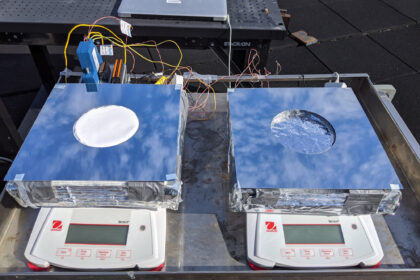



In the pantheon of human inventions, few creations have achieved such a perverse level of success as Per- and Polyfluoroalkyl Substances—better known as PFAS. Developed in the mid-20th century, these synthetic compounds were the ultimate triumph of chemical engineering. By crafting a molecular structure centered on the carbon-fluorine bond—the shortest and strongest covalent bond in organic chemistry—scientists created a material that was effectively immortal. It was heat-resistant, waterproof, oil-repellent, and utterly indifferent to the passage of time.
For decades, this “exceptional” stability was our greatest asset. It gave us the miracle of non-stick cookware, the resilience of waterproof textiles, the efficacy of life-saving firefighting foams, and the longevity of high-performance electronics. But this singular strength has transformed into our most persistent environmental crisis. These are not merely “forever chemicals”; they are the invisible architects of a global contamination event, having infiltrated the deepest oceans, the most remote polar ice, and the very bloodstreams of the vast majority of the human population.
The Exceptional Challenge of the Indestructible
Why is PFAS contamination unique? Unlike traditional pollutants that degrade through sunlight, microbial action, or oxidation, PFAS are fundamentally “built” to resist the natural cycle of decay. When they enter the environment, they do not disappear; they migrate. They move through groundwater, hitch rides on atmospheric currents, and accumulate within the tissues of wildlife and humans.
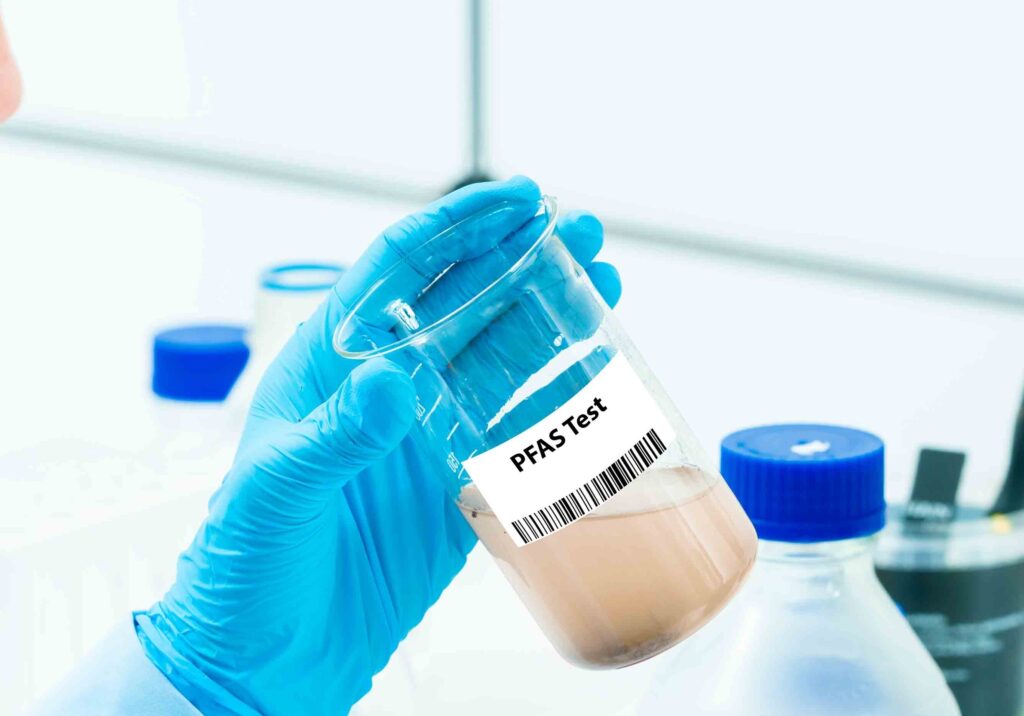
Current remediation efforts have largely been exercises in displacement. Techniques like activated carbon filtration or ion exchange resins can successfully capture PFAS from drinking water, but they do not destroy it. The chemicals are simply moved from our taps to a filter or a resin bed, which then becomes a concentrated hazardous waste product that requires incineration or deep-well injection. We have been playing a global game of “hide and seek” with molecules that refuse to die.
The urgency for a breakthrough is clear: the link between PFAS exposure and severe health outcomes—including cancers, hormone disruption, and immune system damage—is now well-documented. To solve the problem, we must move beyond containment and into the realm of true molecular destruction.
Shedding Light on the Solution: UV-Based Remediation
The tide is finally turning, thanks to a convergence of photochemistry and environmental engineering. Scientists are now harnessing the power of light—specifically ultraviolet (UV) radiation—to do what nature cannot: shatter the unbreakable carbon-fluorine bond.

The cutting edge of this research lies in the use of hydrogen-supercharged UV systems. In this process, water contaminated with PFAS is infused with hydrogen. When this mixture is exposed to high-intensity UV light, a remarkable chain reaction occurs. The UV energy acts as a catalyst, splitting the water molecules to generate hydrogen radicals—highly reactive particles that act like molecular “scalpels.”
These radicals are aggressive hunters. They target the carbon-fluorine bonds directly, systematically stripping away fluorine atoms until the once-persistent structure collapses. In recent laboratory trials, this method has demonstrated the ability to degrade over 95% of common PFAS variants in under an hour. Unlike traditional incineration, which requires massive energy inputs and risks releasing toxic byproducts into the air, this photochemical approach is cleaner, more sustainable, and can potentially be integrated into existing water treatment infrastructure.
The Path Forward: From Labs to Global Scalability
The discovery of this “hidden weakness” in forever chemicals represents a paradigm shift. We have moved from a mindset of filtration to a vision of total eradication.
The implications for the future are profound. If we can scale these UV-based technologies, we unlock the potential to purify contaminated aquifers, treat industrial wastewater at the source, and eventually scrub the PFAS legacy from our global water cycle. It is a testament to the resilience of human ingenuity: the same scientific brilliance that once ignored the long-term consequences of our creations is now the very force that will undo them.
As we look toward the next decade, the “Notable Insider” perspective recognizes that the real story is not just the contamination—it is the restoration. We are witnessing the birth of a new era in environmental cleanup, one where our most “exceptional” chemicals finally meet their match in the brilliance of controlled light and reactive chemistry. The “forever” in “forever chemicals” is finally beginning to fade.